Kalagni Rudra — The Destroyer Form of Lord Shiva
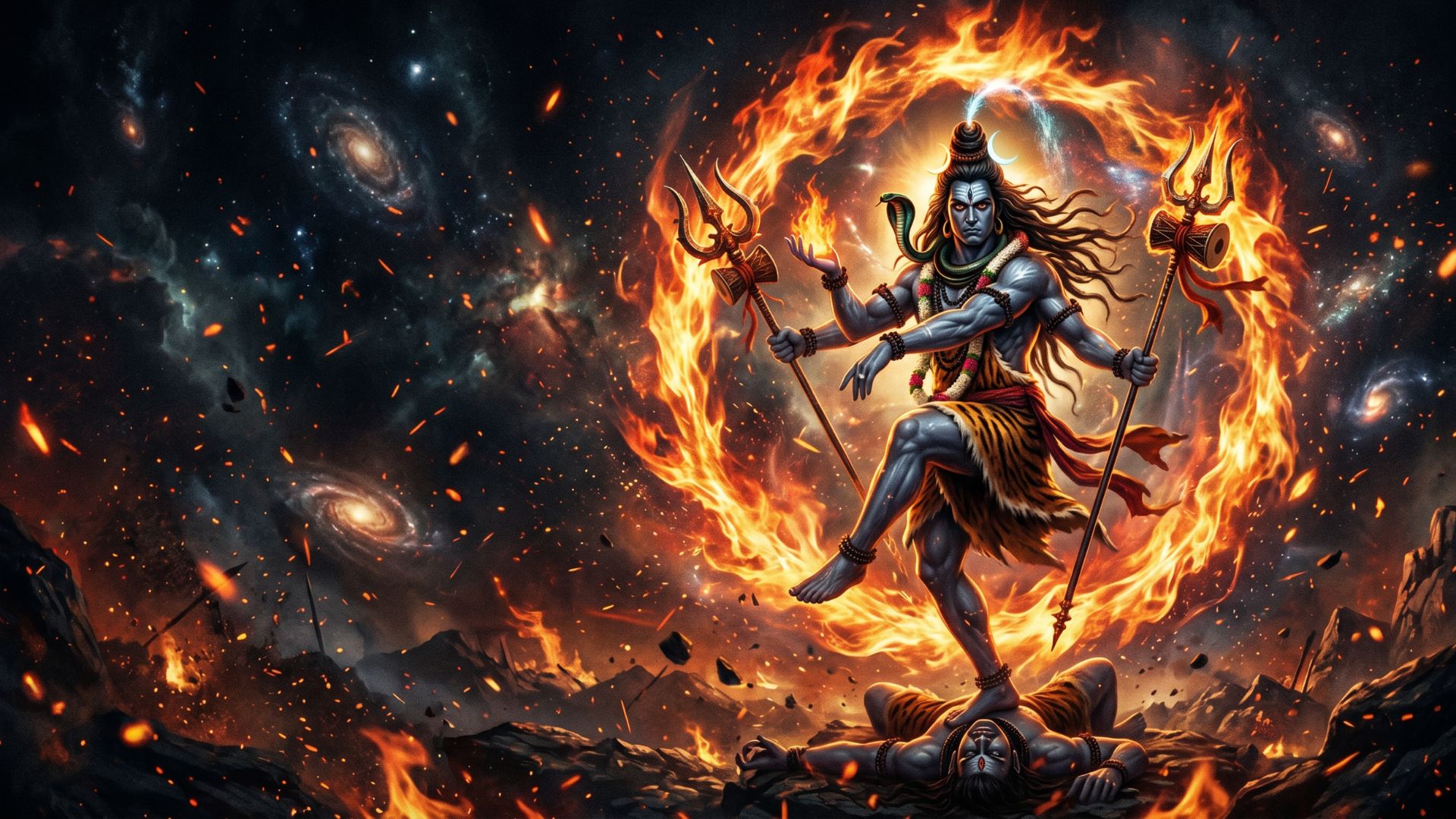
Lord Shiva is worshipped in many powerful forms, each representing a unique aspect of creation, preservation, transformation, and destruction. Among these divine manifestations, Kalagni Rudra is one of the most fierce and spiritually significant forms of Shiva. The name "Kalagni Rudra" combines three Sanskrit words—"Kala" (time or death), "Agni" (fire), and "Rudra" (the fierce form of Shiva)—symbolizing the divine force that destroys ignorance, negative karma, and the limitations of the material world. Rather than representing destruction in a negative sense, Kalagni Rudra signifies purification, transformation, and the ultimate dissolution that paves the way for new beginnings. This article explores the meaning, origin, symbolism, spiritual significance, and worship of Kalagni Rudra in Hindu philosophy.
Who Is Kalagni Rudra?
Kalagni Rudra is regarded as one of the most powerful manifestations of Lord Shiva, embodying the cosmic fire that destroys evil, ignorance, and accumulated karmic impurities. In various Shaivite traditions and ancient scriptures, Kalagni Rudra is described as the force that dissolves the universe at the end of a cosmic cycle, preparing the way for renewed creation.
Unlike ordinary destruction, the role of Kalagni Rudra is viewed as a sacred transformation that removes what is no longer beneficial and restores cosmic balance.
Meaning of the Name Kalagni Rudra
Kala
The word "Kala" refers to time, destiny, and death. It symbolizes the unstoppable flow of time that governs all living beings and reminds humanity of the temporary nature of worldly existence.
Agni
"Agni" means fire and represents purification, energy, sacrifice, and transformation. Fire destroys impurities while making way for renewal and growth.
Rudra
"Rudra" is the fierce and dynamic aspect of Lord Shiva associated with destruction, healing, protection, and spiritual awakening. The Vedas describe Rudra as both terrifying and compassionate, capable of removing suffering while guiding devotees toward liberation.
Together, Kalagni Rudra represents the divine fire of time that burns away ignorance and attachment, leading the soul toward higher consciousness.
The Origin of Kalagni Rudra
Ancient Hindu scriptures describe Lord Shiva assuming different forms according to cosmic necessity. Kalagni Rudra is believed to manifest during periods of universal dissolution (Pralaya), when creation reaches the end of its cycle.
In this form, Shiva's divine energy consumes all material existence, dissolving names, forms, and attachments into pure consciousness. This destruction is not viewed as an end but as an essential stage in the eternal cycle of creation, preservation, and dissolution.
The concept reinforces the philosophical idea that transformation is necessary for renewal and spiritual evolution.
Symbolism of Kalagni Rudra
The Fire of Transformation
The fire associated with Kalagni Rudra symbolizes the destruction of ego, ignorance, and negative tendencies. Just as physical fire purifies gold by removing impurities, spiritual fire is believed to purify the soul.
The Power of Time
Time spares no one. Kalagni Rudra reminds devotees that all worldly possessions, achievements, and identities are temporary, encouraging detachment and spiritual wisdom.
Destruction of Evil
This fierce form of Shiva represents the destruction of adharma (unrighteousness) and the restoration of cosmic order. It symbolizes the triumph of truth over illusion.
Liberation from Attachment
Kalagni Rudra teaches that true freedom comes from releasing attachment to material desires and recognizing the eternal nature of the soul.
Kalagni Rudra in Hindu Scriptures
References to Rudra appear in the Vedas, Upanishads, Puranas, and Shaivite texts. The Kalagni Rudra concept is particularly associated with spiritual teachings that describe Shiva as the supreme force beyond time and creation.
The Kalagni Rudra Upanishad also discusses the significance of Rudraksha beads and their connection with Lord Shiva. It explains the spiritual importance of wearing Rudraksha as a symbol of devotion, self-discipline, and the pursuit of liberation.
Spiritual Significance of Kalagni Rudra
Represents Inner Transformation
On a spiritual level, Kalagni Rudra symbolizes the destruction of fear, anger, greed, pride, and ignorance that prevent personal growth.
Encourages Detachment
Meditating on this form of Shiva reminds devotees to focus on eternal values rather than temporary material gains.
Promotes Self-Discipline
The fierce energy of Kalagni Rudra inspires individuals to overcome weaknesses, cultivate discipline, and pursue spiritual wisdom.
Supports Liberation
In Shaivite philosophy, surrendering to Lord Shiva helps the soul transcend karma and progress toward Moksha, the ultimate liberation from the cycle of birth and death.
Connection Between Kalagni Rudra and Rudraksha
According to spiritual traditions, Rudraksha beads originated from the tears of Lord Shiva and are deeply connected with his divine energy. The Kalagni Rudra Upanishad describes Rudraksha as a sacred aid for meditation and spiritual practice.
Many devotees wear Rudraksha beads to:
Strengthen devotion
Improve concentration during meditation
Cultivate inner peace
Promote spiritual discipline
Feel connected to Lord Shiva's blessings
Different Mukhi Rudraksha beads are believed to carry different symbolic energies and are often chosen based on spiritual or astrological guidance.
You may also like: Rudraksha Wearing Rules: Day, Time, Mantra & Metals
How Is Kalagni Rudra Worshipped?
Chanting Shiva Mantras
Devotees often chant sacred mantras such as:
Om Namah Shivaya
Maha Mrityunjaya Mantra
Rudra Gayatri Mantra
These chants are believed to purify the mind and strengthen devotion.
Meditation
Meditating on the form of Kalagni Rudra encourages self-reflection, detachment, and spiritual awareness.
Rudrabhishekam
Offering water, milk, honey, Bilva leaves, and other sacred items to a Shiva Lingam through Rudrabhishekam is considered an auspicious form of worship dedicated to Lord Shiva.
Observing Mahashivratri
Mahashivratri is one of the most significant occasions for worshipping Lord Shiva in all his forms, including Kalagni Rudra. Devotees observe fasting, perform night-long prayers, and engage in meditation to seek divine blessings.
Lessons We Can Learn from Kalagni Rudra
Accept Change
Life is constantly changing, and resisting change often creates suffering. Kalagni Rudra teaches acceptance and adaptability.
Let Go of Negativity
The symbolism of divine fire encourages individuals to release resentment, fear, ego, and unhealthy attachments.
Focus on Spiritual Growth
Material achievements are temporary, but wisdom, compassion, and self-realization contribute to lasting fulfillment.
Embrace Transformation
Personal growth often requires leaving behind limiting beliefs and outdated habits. Kalagni Rudra represents the courage to transform and evolve.
Common Misconceptions About Kalagni Rudra
Myth: Kalagni Rudra Represents Only Destruction
Reality: In Hindu philosophy, destruction is an essential part of renewal and transformation. Kalagni Rudra symbolizes purification and new beginnings rather than mere annihilation.
Myth: This Form Is Meant Only for Ascetics
Reality: Household devotees also worship Lord Shiva in his fierce forms to seek strength, protection, wisdom, and spiritual progress.
Myth: Fierce Forms of Shiva Are Inauspicious
Reality: Shiva's fierce manifestations are considered protective forces that destroy negativity and uphold righteousness.
Practical Relevance in Modern Life
The symbolism of Kalagni Rudra remains deeply relevant today. In a world filled with stress, attachment, and constant change, this divine form reminds individuals to let go of fear, embrace transformation, and focus on higher values. Whether interpreted spiritually or philosophically, Kalagni Rudra represents the inner strength required to overcome challenges and grow through life's transitions.
Conclusion
Kalagni Rudra is one of the most profound manifestations of Lord Shiva, symbolizing the transformative power of time, fire, and divine consciousness. Far from representing destruction alone, this sacred form teaches that endings create space for new beginnings, and purification leads to spiritual evolution. Through devotion, meditation, self-discipline, and inner reflection, devotees seek the blessings of Kalagni Rudra to overcome ignorance, transcend limitations, and progress toward self-realization and liberation. His timeless message encourages every seeker to embrace change, cultivate wisdom, and discover the eternal truth beyond the material world.
Frequently Asked Questions
Who is Kalagni Rudra?
Kalagni Rudra is a fierce manifestation of Lord Shiva representing the cosmic fire of time that destroys ignorance, negative karma, and worldly attachments while promoting spiritual transformation.
What does Kalagni Rudra symbolize?
He symbolizes purification, transformation, the power of time, the destruction of evil, and the path toward liberation.
Is Kalagni Rudra different from Lord Shiva?
Kalagni Rudra is not separate from Lord Shiva but one of his many divine manifestations that expresses his transformative and protective nature.
What is the connection between Kalagni Rudra and Rudraksha?
The Kalagni Rudra Upanishad highlights the spiritual significance of Rudraksha beads, which are regarded as sacred symbols associated with Lord Shiva and spiritual discipline.
How can devotees worship Kalagni Rudra?
Devotees worship Kalagni Rudra through mantra chanting, meditation, Rudrabhishekam, observing Mahashivratri, and living a life guided by devotion, self-control, and righteous actions.